Role of Middleware in Banking Transaction Systems
Discover the role of middleware in banking transaction systems, enabling real-time processing, secure integration, and seamless communication between banking platforms.
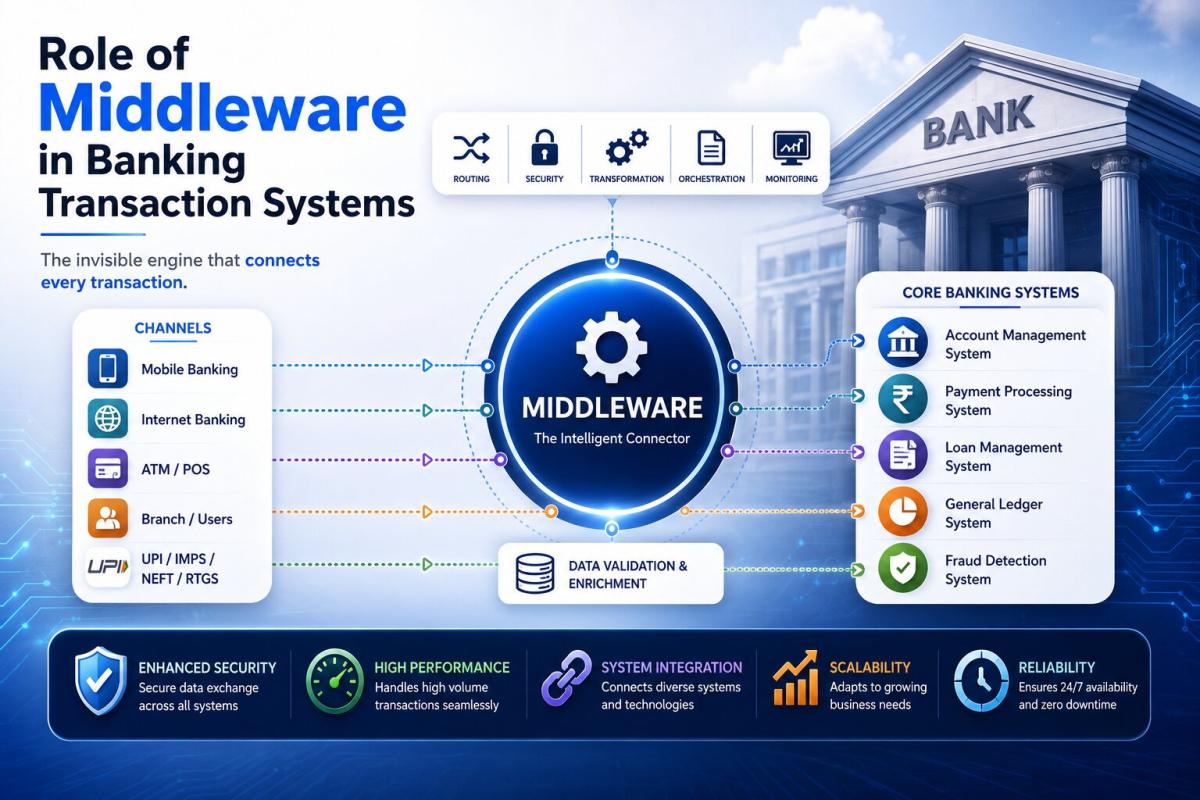
Table of Contents
- Understanding the Invisible Engine Behind Modern Banking
- What Exactly Is Middleware in Banking
- How Middleware Powers Every Banking Transaction
- Types of Middleware Used in Banking Systems
- Why Middleware Is Critical for Banking Operations
- Middleware and Core Banking Systems
- Middleware in Digital Payments and Fintech Integration
- Key Challenges in Middleware Implementation
- Comparison Table: Middleware vs Direct System Integration
- Best Practices for Effective Middleware in Banking
- Future of Middleware in Banking
- Frequently Asked Questions
- Conclusion
Understanding the Invisible Engine Behind Modern Banking

In today’s banking ecosystem, transactions move at a speed and scale that would have been unimaginable just a decade ago. Millions of payments flow every second across digital platforms, ATMs, mobile apps, and interbank networks. Behind this seamless experience lies a powerful yet often overlooked component known as middleware.
Middleware acts as the bridge connecting different banking systems, applications, and services. It ensures that when a customer initiates a transaction, the request moves smoothly across multiple layers such as user interfaces, core banking systems, payment networks, and regulatory checkpoints. Without middleware, modern banking infrastructure would collapse under the weight of complexity and fragmentation.
At its core, middleware enables communication between systems that were never designed to work together. Banks typically operate on a mix of legacy systems and modern applications. Middleware ensures that these systems exchange data efficiently, securely, and in real time, making it the backbone of digital banking operations.
What Exactly Is Middleware in Banking
Middleware can be described as software that sits between applications and systems, managing communication, data exchange, and business logic. In banking, it plays a critical role in handling transaction routing, authentication, validation, and processing.
Instead of each system directly communicating with every other system, middleware acts as a central hub. This reduces complexity and improves scalability. For example, when a customer transfers money through a mobile banking app, middleware ensures the request is validated, routed to the correct banking system, processed, and confirmed.
Key functions of middleware in banking include:
- Message routing between systems
- Data transformation and standardization
- Transaction orchestration
- Security enforcement and authentication
- Error handling and recovery
- Integration of third-party services
This layer ensures that even if internal systems differ in structure or technology, they can still communicate seamlessly.
How Middleware Powers Every Banking Transaction

Every digital transaction follows a structured journey, and middleware is present at almost every step. A typical flow looks like this:
1. Transaction Initiation
When a user initiates a payment through an app or ATM, the request is sent to middleware. This request includes details like account number, amount, and destination.
2. Validation Layer
Middleware checks whether the request is valid. This includes verifying account status, transaction limits, and user authentication.
3. Routing Logic
Based on the transaction type, middleware decides where the request should go. It may route the request to a core banking system, a payment gateway, or an interbank network.
4. Processing
The actual transaction is executed by the backend system. Middleware ensures that all required steps are followed in the correct sequence.
5. Response Handling
Once processed, middleware collects the response and sends it back to the user interface, ensuring the customer receives confirmation.
6. Logging and Monitoring
Middleware records transaction details for auditing, compliance, and troubleshooting.
This structured flow allows banks to process transactions reliably even under high loads.
Types of Middleware Used in Banking Systems
Different types of middleware are used depending on the complexity and requirements of the banking system.
Application Middleware
This connects front-end applications such as mobile apps or web portals with backend systems. It ensures that user requests are correctly processed.
Message-Oriented Middleware
This type handles asynchronous communication between systems. It is widely used in high-volume environments where systems must communicate without waiting for immediate responses.
Transaction Processing Middleware
This ensures that transactions are completed fully or not at all. It maintains consistency and prevents partial updates.
API Middleware
Modern banking relies heavily on APIs. API middleware manages communication between internal systems and external services such as payment providers or fintech platforms.
Integration Middleware
This connects legacy systems with newer technologies, enabling banks to modernize without replacing their entire infrastructure.
Why Middleware Is Critical for Banking Operations
Middleware is not just a convenience; it is essential for the stability and scalability of banking systems.
Seamless Integration
Banks operate multiple systems developed over decades. Middleware allows these systems to work together without requiring complete replacement.
Real-Time Processing
Customers expect instant transactions. Middleware enables real-time communication and processing across systems.
Scalability
As transaction volumes grow, middleware ensures that systems can handle increased load without performance issues.
Security
Middleware enforces authentication, encryption, and fraud detection mechanisms, protecting sensitive financial data.
Reliability
Even if one system fails, middleware can reroute or retry transactions, ensuring minimal disruption.
Middleware and Core Banking Systems

Core banking systems are the heart of any bank, handling accounts, balances, and transactions. However, these systems are often built on older technologies that are not designed for modern digital demands.
Middleware acts as a translator between these legacy systems and modern applications. It allows banks to introduce new services such as mobile banking, online payments, and digital wallets without replacing their core systems.
This approach reduces costs, minimizes risk, and accelerates innovation.
Middleware in Digital Payments and Fintech Integration
With the rise of digital payments, middleware has become even more critical. Payment systems require coordination between multiple entities such as banks, payment gateways, merchants, and regulatory systems.
Middleware ensures:
- Fast and secure transaction processing
- Integration with third-party services
- Compliance with regulatory standards
- Smooth user experience across platforms
It also enables open banking, where banks share data with authorized third-party providers through secure APIs.
Key Challenges in Middleware Implementation
Despite its advantages, implementing middleware comes with challenges.
Complexity
Designing middleware for large banking systems requires careful planning and expertise.
Performance Bottlenecks
If not optimized, middleware can become a bottleneck, slowing down transactions.
Security Risks
Middleware handles sensitive data, making it a target for cyber threats.
Maintenance
Continuous updates and monitoring are required to ensure smooth operation.
Banks must invest in robust architecture and skilled professionals to overcome these challenges.
Comparison Table: Middleware vs Direct System Integration
Middleware vs Direct Integration in Banking Systems
|
Feature |
Middleware-Based Integration |
Direct Integration |
|
Flexibility |
High flexibility with centralized control |
Limited flexibility |
|
Scalability |
Easily scalable |
Difficult to scale |
|
Maintenance |
Easier due to centralized updates |
Complex and time-consuming |
|
Security |
Strong centralized security controls |
Fragmented security |
|
Performance |
Optimized with proper design |
Can degrade with complexity |
|
Cost |
Higher initial setup but lower long-term cost |
Lower initial cost but higher maintenance |
|
Integration Speed |
Faster for new systems |
Slower and more complex |
This comparison highlights why most modern banks rely on middleware instead of direct system connections.
Best Practices for Effective Middleware in Banking
To maximize the benefits of middleware, banks should follow proven practices.
Adopt Modular Architecture
Breaking middleware into smaller components improves flexibility and maintainability.
Ensure High Availability
Redundancy and failover mechanisms prevent downtime.
Focus on Security
Strong encryption, authentication, and monitoring are essential.
Optimize Performance
Efficient message handling and load balancing improve speed.
Regular Monitoring
Continuous tracking helps detect issues early and maintain reliability.
Future of Middleware in Banking

The role of middleware is evolving rapidly with technological advancements.
Cloud Integration
Middleware is increasingly moving to cloud-based platforms, offering better scalability and cost efficiency.
Microservices Architecture
Banks are shifting from monolithic systems to microservices, with middleware acting as the glue connecting these services.
AI and Automation
Artificial intelligence is being integrated into middleware for fraud detection, predictive analysis, and automated decision-making.
Open Banking Expansion
Middleware will continue to play a central role in enabling secure data sharing between banks and third-party providers.
These trends indicate that middleware will remain a critical component of banking infrastructure for years to come.
Frequently Asked Questions
What is middleware in banking systems
Middleware is software that connects different banking applications and systems, enabling them to communicate and process transactions efficiently.
Why is middleware important for banking transactions
It ensures smooth data flow, secure communication, and reliable transaction processing across multiple systems.
How does middleware improve transaction speed
By optimizing communication and reducing system dependencies, middleware enables faster processing and real-time transactions.
Is middleware secure
Yes, when properly implemented, middleware includes encryption, authentication, and monitoring to protect sensitive data.
Can banks operate without middleware
Modern banking systems cannot function efficiently without middleware due to the complexity of integrations and transaction volumes.
What role does middleware play in digital payments
It manages communication between banks, payment gateways, and external systems, ensuring fast and secure payment processing.
How does middleware support scalability
It allows banks to add new services and handle increased transaction loads without major system changes.
Conclusion
Middleware stands as the silent force that keeps modern banking systems running smoothly. It connects diverse systems, enables real-time transactions, and ensures that financial operations remain secure and reliable. As banking continues to evolve with digital transformation, the importance of middleware only grows stronger.
Its ability to bridge legacy systems with modern technologies allows banks to innovate without disrupting existing operations. From handling millions of daily transactions to enabling new digital services, middleware plays a foundational role in shaping the future of banking.
Looking ahead, advancements in cloud computing, artificial intelligence, and open banking will further expand the capabilities of middleware. Banks that invest in robust middleware architectures will be better positioned to deliver faster, safer, and more efficient services.
Understanding middleware is not just a technical necessity but a strategic advantage. It defines how effectively a bank can adapt, scale, and compete in an increasingly digital financial landscape.
Related Blogs
Published on Apr 28, 2026
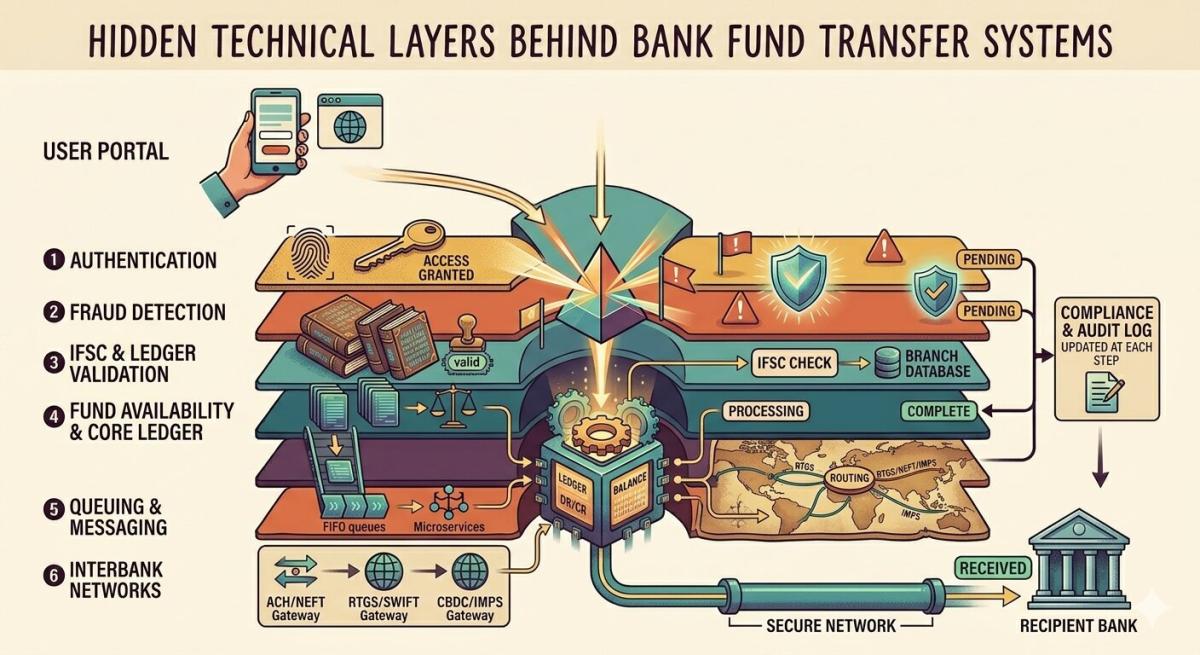
Hidden Technical Layers Behind Bank Fund Transfer Systems
Explore the hidden technical layers behind bank fund transfer systems, including SWIFT messaging, clearing, settlement, APIs, and security frameworks that power modern digital payments.
Arjun Sharma
Content Lead – Banking & Payments
Published on Apr 28, 2026
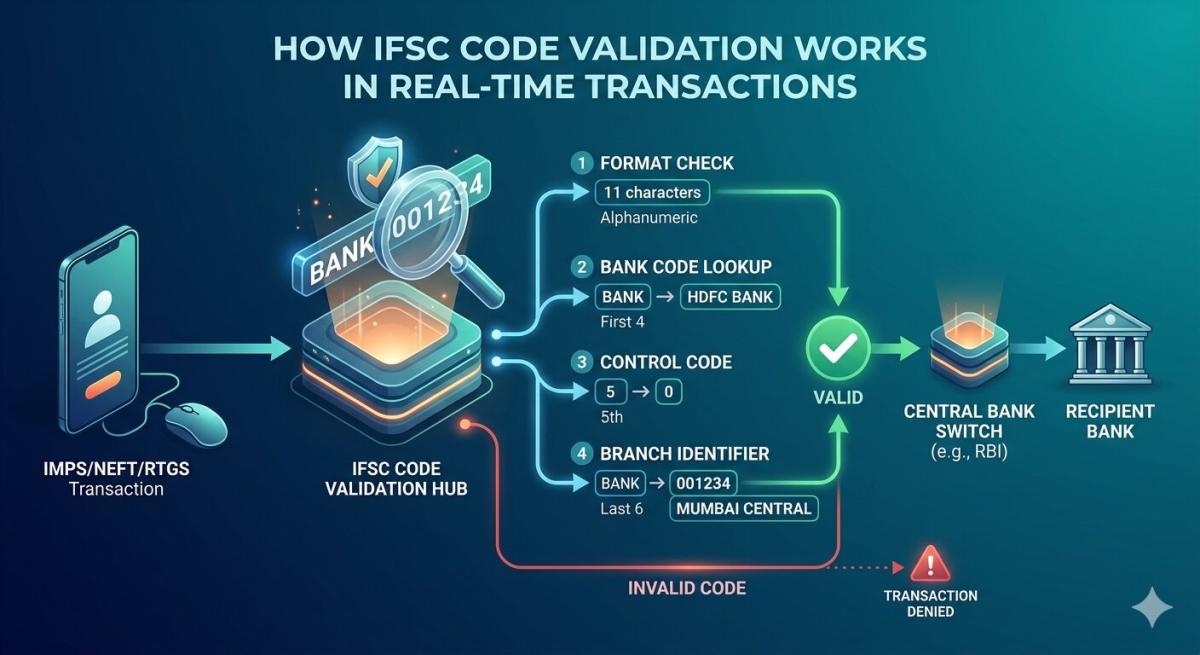
How IFSC Code Validation Works in Real-Time Transactions
Learn how IFSC code validation works in real time across NEFT, RTGS, and IMPS transactions. Discover its role in ensuring accurate, secure, and efficient fund transfers in digital banking.
Arjun Sharma
Content Lead – Banking & Payments
Published on Apr 28, 2026
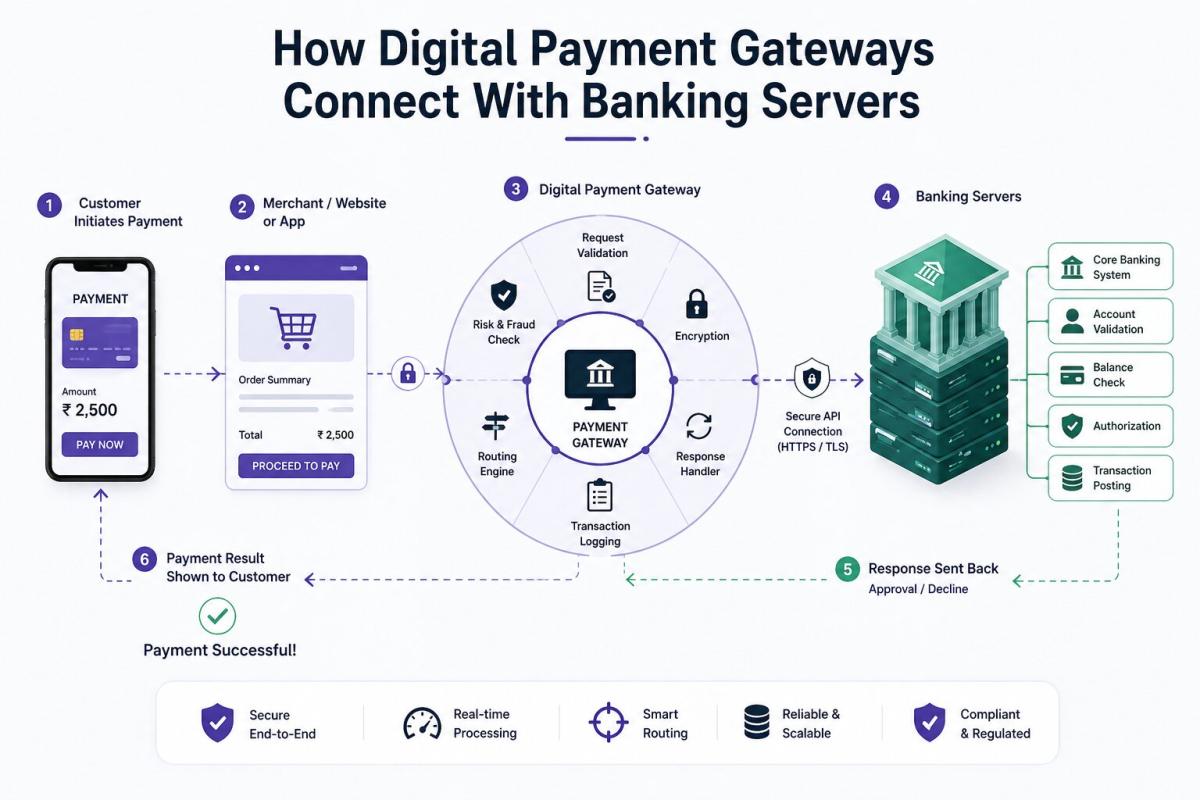
How Digital Payment Gateways Connect With Banking Servers
Learn how digital payment gateways connect with banking servers using APIs, encryption, and payment networks to enable secure and seamless online transactions
Arjun Sharma
Content Lead – Banking & Payments
Published on Apr 28, 2026
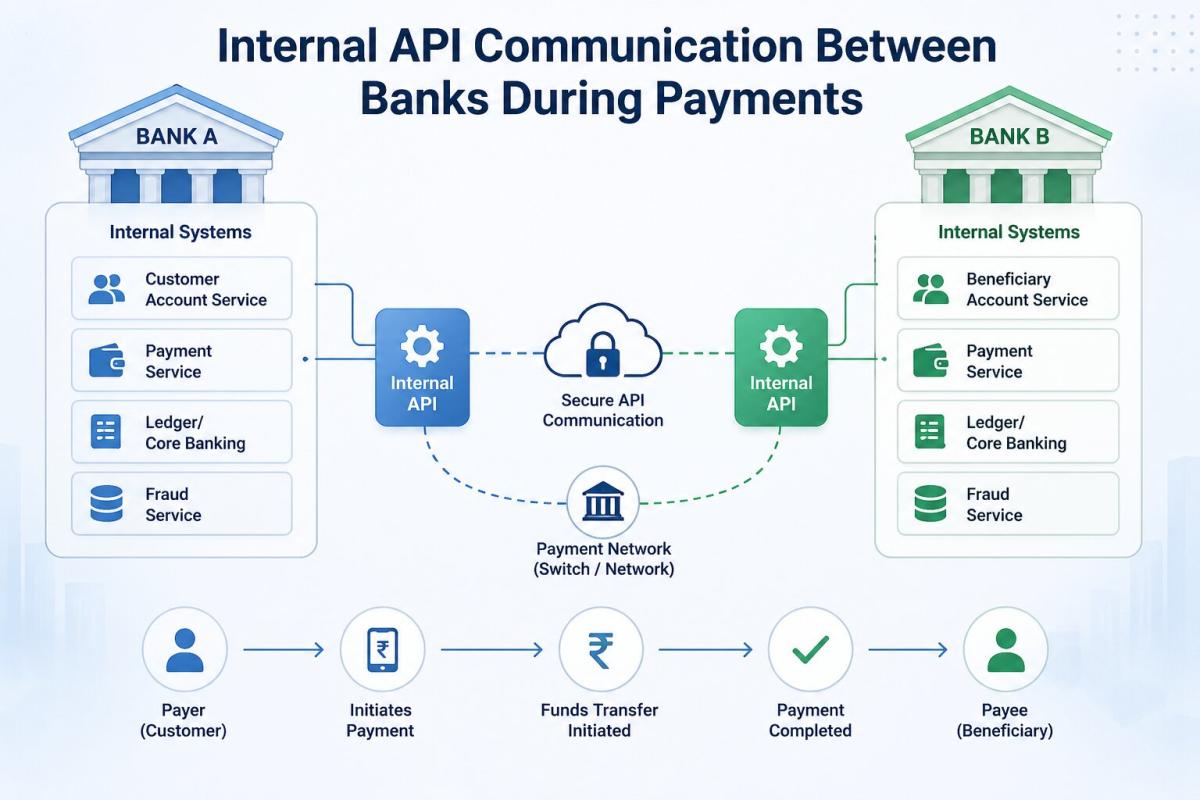
Internal API Communication Between Banks During Payments
Understand how internal API communication between banks powers digital payments, enabling real-time transaction processing, secure data exchange, and seamless fund transfers.
Arjun Sharma
Content Lead – Banking & Payments
Published on Apr 28, 2026
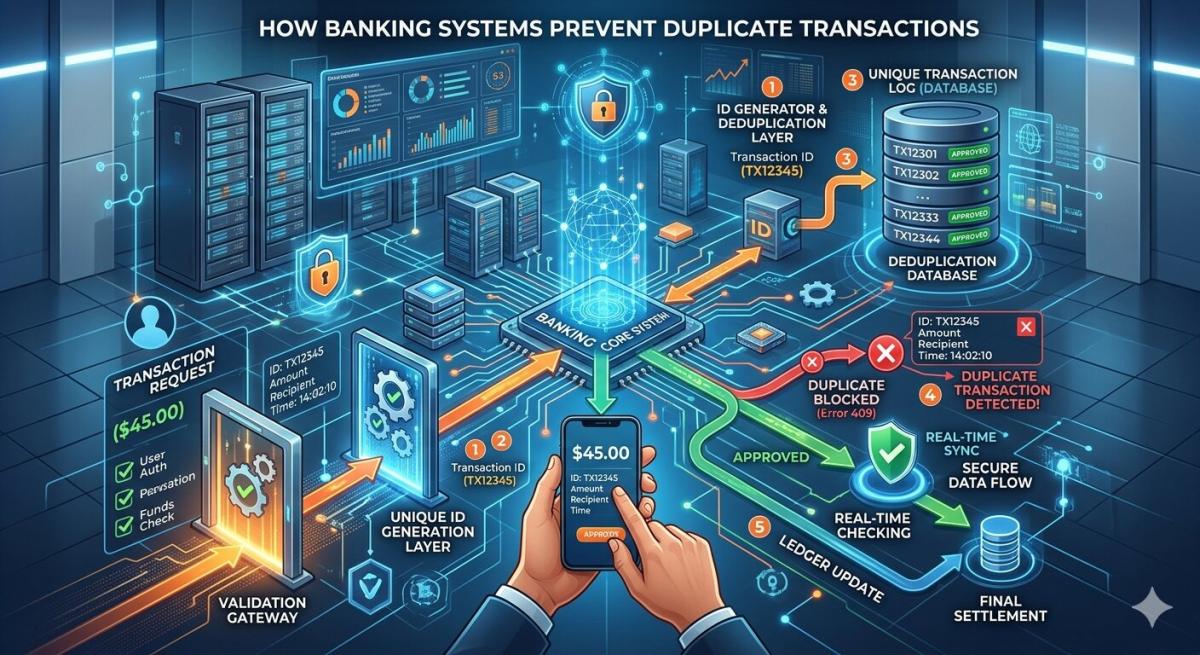
How Banking Systems Prevent Duplicate Transactions
Learn how banking systems prevent duplicate transactions using idempotency, unique IDs, real-time validation, transaction locking, and fraud detection technologies.
Arjun Sharma
Content Lead – Banking & Payments
calculate Financial Calculators
EMI Calculator
FD Calculator
GST Calculator
Lumpsum Calculator
Mutual Fund Returns Calculator
PPF Calculator
RD Calculator
SIP Calculator
SWP Calculator
article Latest Blog Posts
ELSS vs PPF vs NPS: Which Tax-Saving Investment Gives the Best Returns?
Compare ELSS vs PPF vs NPS to find the best tax-saving investment. Understand returns, lock-in periods, and features to choose what suits your goals.
SIP & Investing • 11 MINS READ
How to Start SIP with ₹500 Per Month: Beginner's Guide to Mutual Funds
Learn how to start a SIP with ₹500 per month in mutual funds. Simple beginner’s guide to investing, building wealth, and growing money with small steps.
SIP & Investing • 13 MINS READ
Senior Citizen FD Rates 2026: Which Banks Offer the Highest Interest?
Compare senior citizen FD rates in 2026 and find which banks offer the highest interest. Learn about returns, tenures, and tips to choose the best FD.
FD, PPF & Savings • 12 MINS READ
Sukanya Samriddhi Yojana (SSY): Interest Rate, Rules & Calculator Guide 2026
Learn about Sukanya Samriddhi Yojana (SSY) including eligibility criteria, required documentation, step by step application process, tax benefits explanation and comparison b/w SSY, PPF and FD
FD, PPF & Savings • 11 MINS READ
2 reasons why online banking is important in today’s COVID-19 situation
Discover why online banking became essential during COVID-19. Learn how digital banking ensured safety, convenience, and uninterrupted financial services.
Digital Banking • 4 MINS READ