What to Do if You Transfer Money to the Wrong IFSC Code: A Recovery Guide
Money sent to wrong IFSC? Don't panic! Learn what steps to take immediately to recover your funds and prevent future mistakes.

Table of Contents
It is that sinking feeling in the pit of your stomach. You just hit "Confirm" on a large NEFT transfer for your home down payment or your child's college tuition, and then you see it: a typo in the IFSC code. Or worse, you realize you selected the old merged bank branch that no longer exists.
In 2020, this was a nightmare scenario involving physical letters, branch visits, and weeks of uncertainty. But in 2026, the landscape has changed. With the Reserve Bank of India (RBI) enforcing the Master Direction on Digital Payment Security (April 2026) and the mandatory Beneficiary Name Verification protocols, the safety nets are stronger—but they are not automatic.
If you have just sent money to the wrong destination, stop panicking and start acting. Time is your only currency now. Here is your expert recovery handbook.
Before vs. After: The 2026 Recovery Landscape
The days of "wait and pray" are over. The RBI’s shift to algorithmic banking has introduced speed—both for transfers and for reversals.
|
Feature |
Old Rules (Pre-2025) |
New Rules (2026 Standards) |
|
Prevention |
Blind Transfer: You entered a code, and the system pushed money without checking the name. |
Mandatory Name Match: Banks must display the beneficiary name from the destination bank before you confirm. |
|
Error Handling |
Manual Reversal: Required a written application to the branch manager. |
In-App ODR: "Raise Dispute" button connects directly to the NPCI Online Dispute Resolution grid. |
|
Reversal Time |
7–14 Working Days (if lucky). |
T+1 Day (Auto-Reversal): For non-existent accounts/codes. |
|
Liability |
User’s fault entirely. |
Shared Liability: If the bank's "Name Match" API was down and they let you proceed, the bank pays. |
Deep Dive: The Mechanics of a "Wrong Routing"
To fix the mistake, you need to understand where your money is stuck. The banking system routes money like a postal service:
IFSC = Zip Code | Account Number = House Number
Scenario A: The "Ghost" Transfer (Safe)
What happened: You typed SBIN0001234 but the correct code was SBIN0001235. The code you typed does not exist in the RBI database.
- The 2026 Outcome: The transaction will fail instantly. The RBI’s Centralised Receipt and Processing Centre (CRPC) will bounce the funds back to your account within minutes (or maximum T+1 hour).
- Why: The system cannot find the "Zip Code," so it returns the letter.
Scenario B: The "Wrong Branch, Correct Account" (The Gray Area)
What happened: You used the IFSC of the Delhi branch, but the account belongs to the Mumbai branch of the same bank.
- The 2026 Outcome: In 90% of cases, the transfer will succeed.
- Why: Most Core Banking Systems (CBS) in 2026 are centralized. They look at the Account Number (the "House Number") primarily. The IFSC helps with routing speed, but if the Account Number is valid within the bank's global network, the money often finds the account regardless of the branch code.
Scenario C: The "Wrong Beneficiary" (The Danger Zone)
What happened: You entered a valid IFSC and a valid Account Number, but it belongs to a stranger (e.g., a typo in the account digit).
- The 2026 Outcome: The money is credited to the stranger.
- The Problem: The bank cannot legally reverse this without the recipient's consent. This is due to the Supreme Court's interpretation of "Trust" in banking—a bank cannot unilaterally dip its hands into a customer's account to remove funds, even if it was an error.
Impact on User: The "Override" Risk
In 2026, the RBI mandated Beneficiary Name Lookup for all NEFT and RTGS transfers.
- How it protects you: When you enter the details, the screen displays: "Registered Name: RAJESH KUMAR".
- Where you mess up: If you are paying "Ramesh" but the screen says "Rajesh," and you think "Oh, maybe that's his official name" and click Proceed, you have performed a "User Override."
- The Consequence: By clicking "Confirm" despite the name mismatch, you have waived your right to hold the bank liable. You are now solely responsible for recovering the funds from Rajesh.
Actionable Checklist: What You Need to Do Immediately
If the money has left your account and hasn't returned in 2 hours, follow this "Golden Hour" protocol:
- Step 1: The "Lien" Request (0-2 Hours)
- Call your bank’s priority helpline immediately.
- Do not say: "I made a mistake."
- Say: "I have initiated an erroneous transfer to Account [X]. I request you to mark a 'Wrong Credit Lien' on the beneficiary account immediately."
- Note: In 2026, banks can place a temporary "hold" on the specific amount in the receiver's account pending investigation.
- Step 2: Written Record (Email)
- Send an email to your bank's Nodal Officer (find the email on the "Grievance Redressal" page).
- Subject: URGENT: Erroneous NEFT Transfer - Transaction ID [XYZ]
- Attach: A screenshot of the transaction and your passbook.
- Step 3: Contact the Beneficiary (If Same Bank)
- If the recipient is in the same bank, ask the Branch Manager to contact them. The manager acts as a facilitator. They will call the person and say, "An amount was wrongly credited. Please authorize the reversal."
- Step 4: The Legal Notice (If They Refuse)
- If the stranger refuses to return the money, this is Unjust Enrichment under Section 70 of the Indian Contract Act.
- You must file a cyber complaint at cybercrime.gov.in or call 1930. While this isn't "fraud," the digital trail helps in legal proceedings.
Regulatory Alert: Under the RBI Ombudsman Scheme 2026, if your bank fails to facilitate a response from the beneficiary bank within 30 days, you are entitled to compensation of ₹100 per day of delay.
FAQ: Addressing Your Fears
1. Can the police get my money back?
Police generally treat this as a "Civil Dispute," not a crime (unless you were scammed). However, in 2026, filing a General Diary (GD) entry is mandatory to force the beneficiary bank to share the recipient's contact details with you for legal action.
2. I put the wrong IFSC, but the account number doesn't exist in that branch. Am I safe?
Yes. This is the best-case scenario. If the account number + IFSC combination is mathematically impossible (invalid checksum), the money sits in the "Parking Account" of the receiving bank and is auto-refunded within 24-48 hours.
3. What if I transferred money to a closed account?
The funds will bounce back. A closed account cannot accept credits under strict KYC 2026 norms. You should see the refund within T+1 working days.
4. The name on the screen didn't match, but I sent it anyway. Can I blame the bank?
No. The 2026 Digital Payment Security Direction clearly states that if a customer ignores the "Name Mismatch Warning," the bank is indemnified. The liability is 100% yours.
5. Is there a time limit to report this?
Yes. The RBI distinguishes between "unauthorized" (hacked) and "erroneous" (mistake) transactions. For mistakes, you must report it within 3 working days to get maximum assistance. After that, banks treat it as a settled private transaction.
Related Blogs
Published on Mar 09, 2026
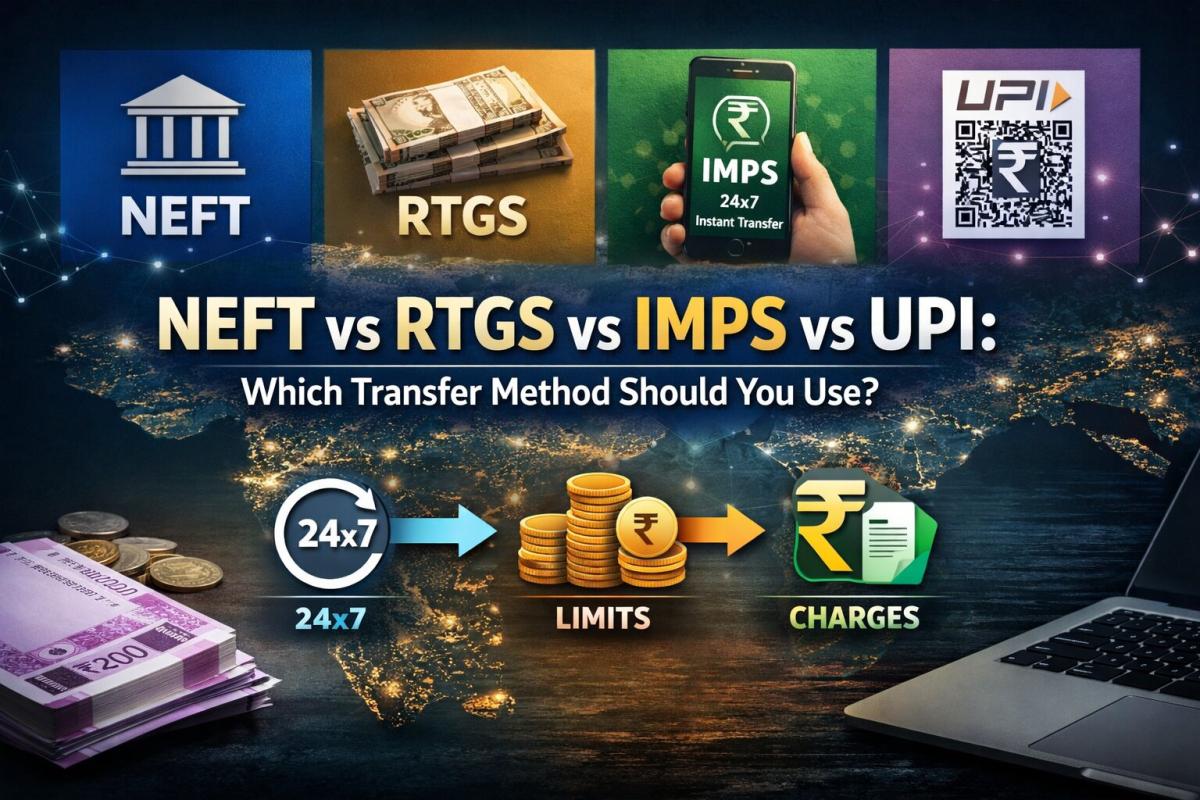
NEFT vs RTGS vs IMPS vs UPI: Which Transfer Method Should You Use?
NEFT, RTGS, IMPS, or UPI — which transfer method should you use? Compare limits, timing, charges and best use cases. Full guide with 2025 RBI & NPCI figures.
Priya Nair
Senior Compliance Editor at IFSC.co
Published on Jul 27, 2025
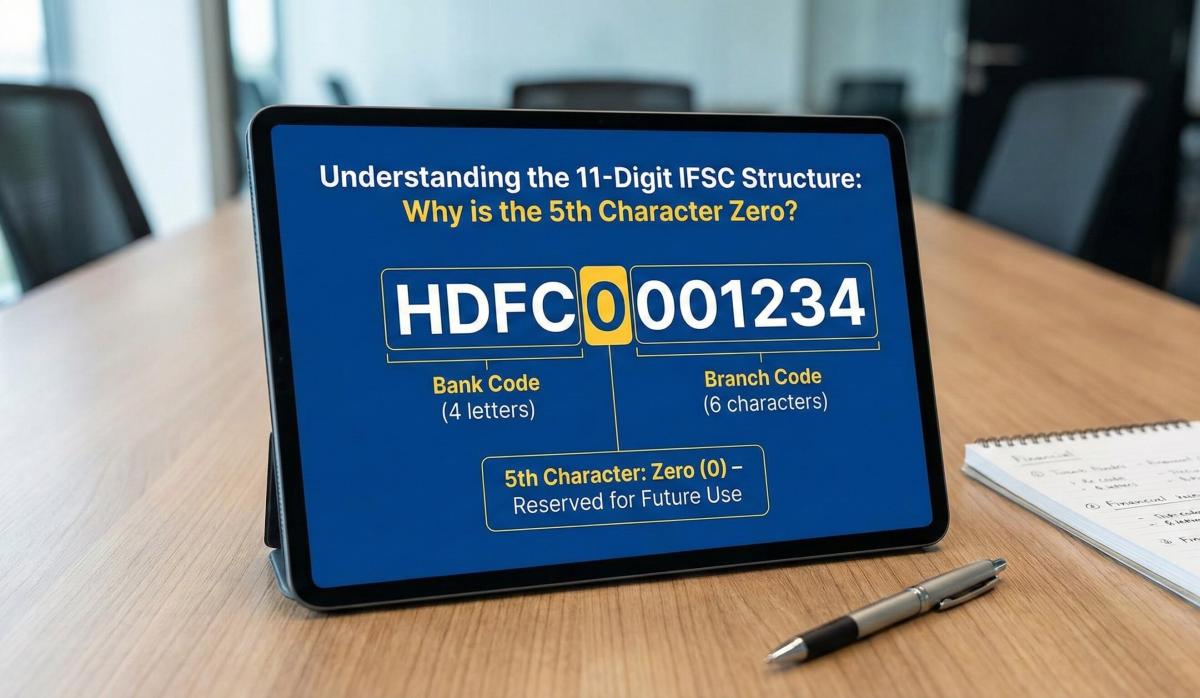
Understanding the 11-Digit IFSC Structure: Why the Fifth Character is Always Zero
Decode the IFSC structure! Understand why the 5th character is always zero and what each digit means for fund transfers.
Arjun Sharma
Content Lead – Banking & Payments
Published on Jul 14, 2025
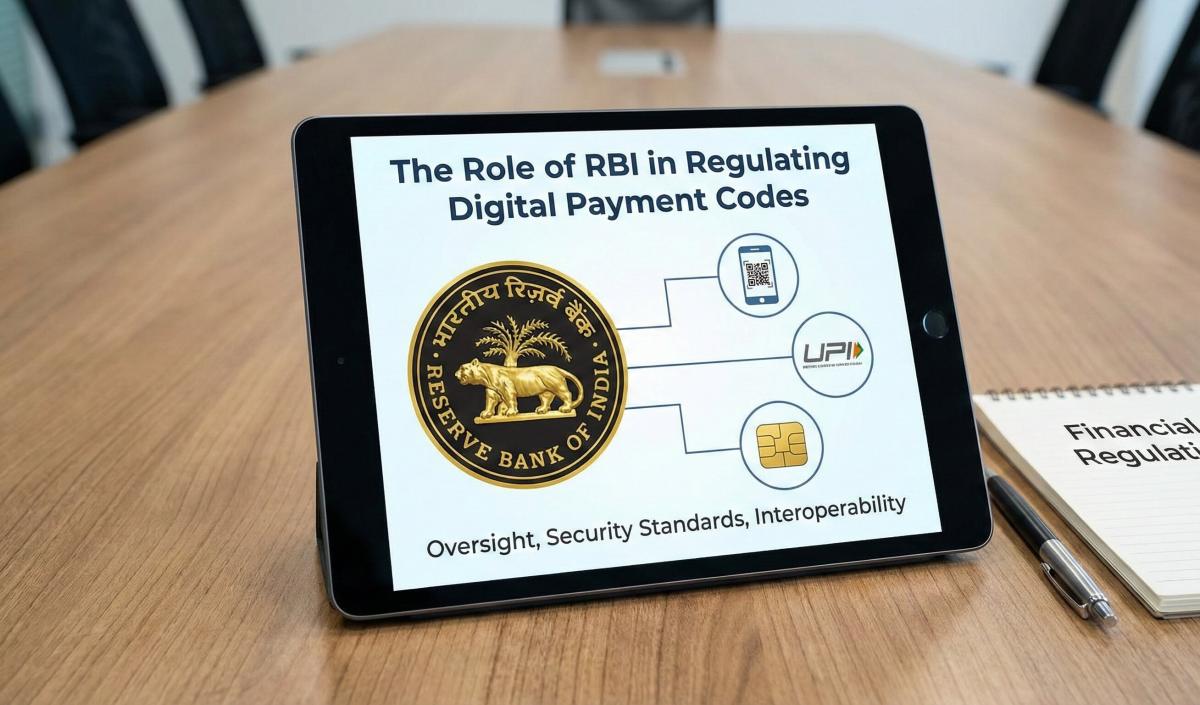
The Role of the Reserve Bank of India (RBI) in Regulating Digital Payment Codes
Learn how the RBI regulates digital payment codes like IFSC, UPI, and SWIFT. Understand compliance and security in Indian banking.
Arjun Sharma
Content Lead – Banking & Payments
Published on Jul 12, 2025
SBI Net Banking Registration 2026: The "No-Nonsense" Guide for New Users
New to banking? This practical guide covers essentials like accounts, cards, digital banking, and safety tips for Indian users.
Priya Nair
Senior Compliance Editor at IFSC.co
Published on Jul 08, 2025
The Impact of 2025-2026 Bank Mergers on Your Old IFSC and Branch Details
Understand how bank mergers in 2025-2026 affect IFSC codes and branch details. Update your banking information to avoid transaction failures.
Priya Nair
Senior Compliance Editor at IFSC.co
calculate Financial Calculators
EMI Calculator
FD Calculator
GST Calculator
Lumpsum Calculator
Mutual Fund Returns Calculator
PPF Calculator
RD Calculator
SIP Calculator
SWP Calculator
article Latest Blog Posts
A Comprehensive Guide to Home Loan Interest Rates: Fixed vs. Floating in 2026
A detailed 2026 guide to home loan interest rates comparing fixed, floating, and hybrid options. Learn the real cost difference, EMI impact, risks, RBI policies, and which option saves you more over 20 years.
EMI & Loans • 8 MINS READ
Mutual Fund Returns Calculator: How It Works, Accuracy & FAQs Explained
A Mutual Fund Returns Calculator helps you estimate the future value of your mutual fund investment using inputs like investment amount, tenure, contributions, and expected returns. It uses compounding to project potential growth and helps you plan smarter investment decisions.
SIP & Investing • 6 MINS READ
NEFT vs RTGS vs IMPS vs UPI: Which Transfer Method Should You Use?
NEFT, RTGS, IMPS, or UPI — which transfer method should you use? Compare limits, timing, charges and best use cases. Full guide with 2025 RBI & NPCI figures.
Banking & Transfers • 16 MINS READ
New Tax Regime vs Old Tax Regime: A Real-Numbers Comparison for Salaried Indians (FY 2025-26)
New vs old tax regime FY 2025-26 — compare real tax on ₹6L, ₹10L & ₹15L salaries. See who pays zero tax and find your break-even point.
Tax & Financial Planning • 15 MINS READ
Planning an FD? Don’t Miss These Top Questions About FD Calculators
Curious how FD calculators work? This guide answers the top questions to help you calculate returns, compare plans, and invest smarter in fixed deposits.
FD, PPF & Savings • 5 MINS READ